Can't find what you're looking for? Get in touch!


Respiratory hazards are not always visible, but their impact can be serious and long-lasting. In many industrial environments, workers are exposed daily to dust, fumes, vapours, and airborne particles. This is why respiratory protection equipment in Johor has become an essential part of workplace safety across manufacturing, construction, logistics, and maintenance operations.
In industrial areas such as Johor Bahru, Pasir Gudang, and Iskandar Puteri, where factories, ports, and large-scale projects are concentrated, proper respiratory protection plays a critical role in protecting worker health and reducing operational risk.
What Is Respiratory Protection Equipment?
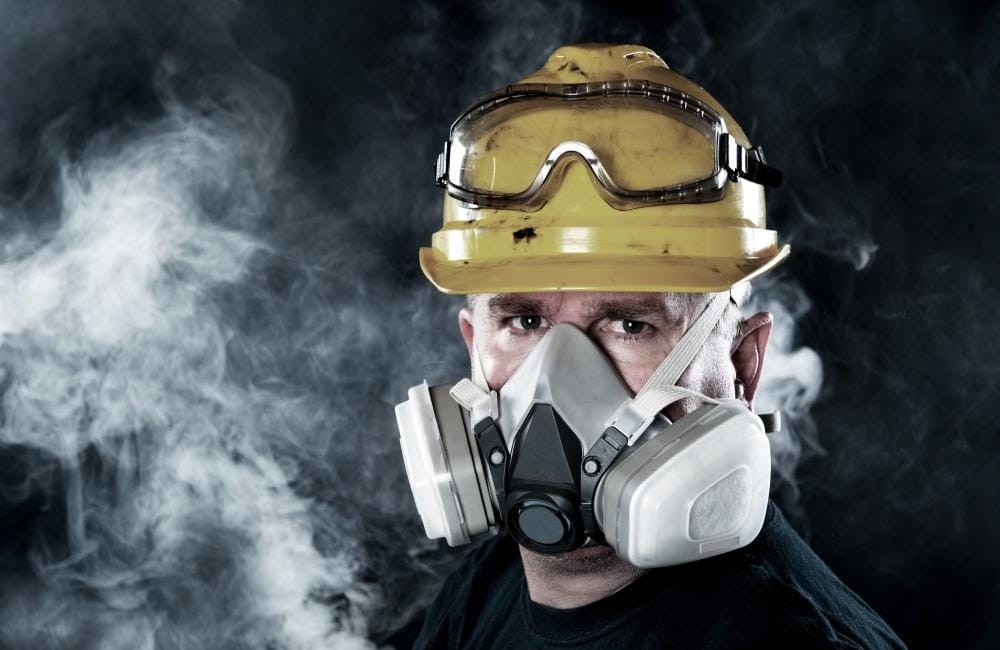
Respiratory protection equipment refers to personal protective equipment designed to protect the wearer from inhaling harmful substances in the air, including dust, chemical fumes, gases, vapours, and biological contaminants.
Think of respiratory protection like a filter for your lungs. Just as clean water needs a proper filtration system, clean air for workers requires the right mask or respirator.
As part of a complete PPE range, respiratory protection equipment works together with helmets, gloves, and protective clothing to create layered workplace protection.
Why Respiratory Protection Equipment Is Critical in Johor Industries
Johor is one of Malaysia’s most active industrial regions, home to manufacturing plants, construction projects, logistics hubs, and port operations. Many of these workplaces generate airborne hazards that cannot be fully eliminated through engineering controls alone.
Without proper respiratory protection:
- Fine dust can damage lung tissue over time
- Chemical vapours may cause dizziness or long-term illness
- Welding fumes increase chronic respiratory risks
According to Malaysia’s Department of Occupational Safety and Health (DOSH), employers are responsible for identifying workplace hazards and ensuring suitable protective measures are implemented.
Common Workplace Respiratory Hazards
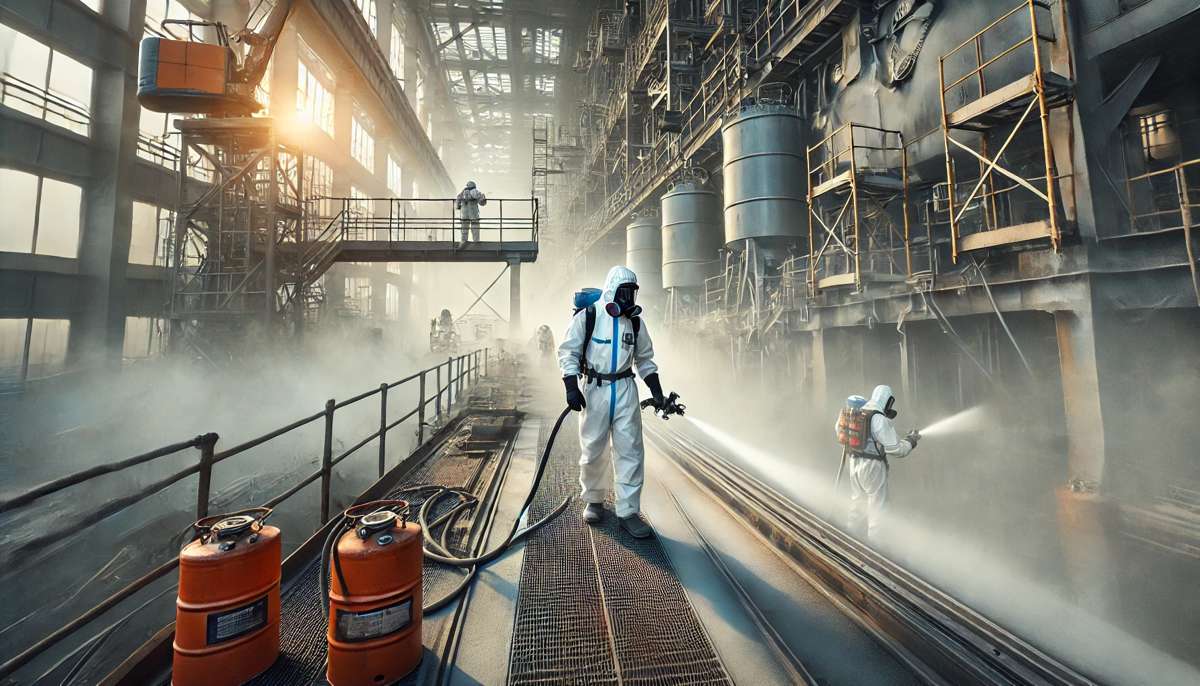
This image shows how exposure to airborne hazards such as dust, fumes, smoke, chemicals, and biological particles can lead to common respiratory problems when proper protection is not used. It highlights the risk of breathing difficulties, lung damage, and long-term respiratory illness across industrial, emergency, and healthcare environments, emphasizing the importance of using suitable respiratory protection equipment to prevent these issues.
1. Dust and Particulates
Common in construction sites, cement handling, woodworking, and manufacturing facilities.
2. Fumes and Vapours
Often present during welding, spray painting, chemical processing, and cleaning tasks.
3. Gases and Chemical Exposure
Found in laboratories, industrial plants, and maintenance work involving solvents or fuels.
4. Biological Contaminants
Relevant in healthcare, waste management, and sanitation-related operations.
Types of Respiratory Protection Equipment
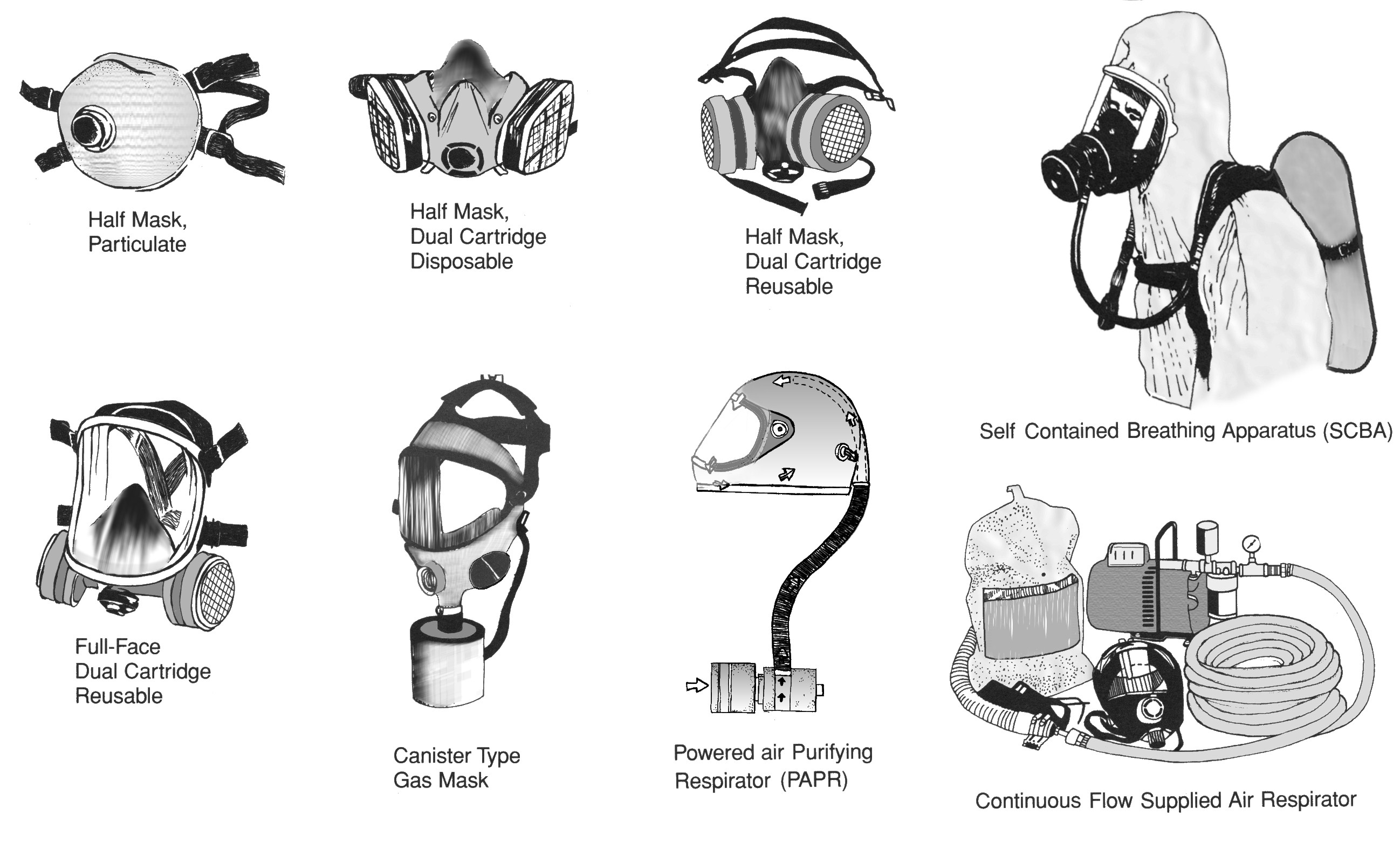
Illustration showing different types of respiratory protection equipment, including half masks, full-face respirators, powered air-purifying respirators (PAPR), and supplied-air breathing systems for industrial safety.
Respiratory protection equipment includes several options, depending on exposure level.
1. Disposable Masks
Suitable for low-risk environments with nuisance dust.
2. Half-Face Respirators
Cover the nose and mouth and use replaceable filters or cartridges.
2. Full-Face Respirators
Provide higher protection by covering the entire face and eyes.
3. Powered Air-Purifying Respirators (PAPR)
Provide filtered airflow for long-duration or high-heat work.
These products typically fall under industrial safety equipment used across construction, manufacturing, and logistics environments.
🔎 Quick Guide: Choosing Respiratory Protection Equipment
- Dust & particles → Disposable mask or particulate respirator
- Welding fumes → Half-face respirator with particulate filter
- Chemical vapours → Full-face respirator with gas cartridge
- Long-duration work → Powered air-purifying respirator (PAPR)
Common Johor Worksite Scenarios Requiring Respiratory Protection
Respiratory protection is commonly required in:
- Manufacturing plants in industrial parks
- Welding and fabrication workshops
- Port and logistics operations in Pasir Gudang
- Construction and renovation sites
In these settings, airborne risks can change quickly, making proper equipment selection essential.
How to Choose the Right Respiratory Protection Equipment in Johor
Assess the Airborne Hazard
Identify whether exposure comes from dust, fumes, vapours, or gases.
Match Protection Level to Exposure
Higher-risk work requires certified respirators and proper cartridges.
Consider Comfort and Fit
Poor fit reduces protection. Fit testing is essential for effectiveness.
Climate and Environmental Factors
Johor’s warm and humid conditions make comfort important. In some cases, customised workwear can improve usability and compliance.
Compliance and Employer Responsibilities
Under Malaysian occupational safety regulations, employers must ensure that respiratory hazards are identified and suitable PPE is provided, maintained, and used correctly.
This aligns with international guidance such as OSHA’s Respiratory Protection Standard, which highlights hazard assessment, fit testing, training, and maintenance as critical elements.
Benefits of Using Proper Respiratory Protection Equipment
When used correctly, respiratory protection equipment:
- Reduces short- and long-term health risks
- Supports regulatory compliance
- Improves productivity and confidence
- Reduces medical costs and downtime
Working with suppliers that demonstrate a strong safety commitment helps ensure long-term reliability and quality.
Frequently Asked Questions (FAQs)
What industries in Johor require respiratory protection equipment?
Manufacturing, construction, welding, logistics, chemical handling, and maintenance industries commonly require respiratory protection.
Are disposable masks enough for industrial work?
Only for low-risk dust exposure. Industrial fumes or chemicals require respirators with appropriate filters.
How often should respirator filters be replaced?
According to manufacturer guidelines or sooner if breathing becomes difficult.
Is fit testing necessary?
Yes. Fit testing ensures contaminated air does not bypass the respirator seal.
